
The landscape of enterprise software development has undergone a remarkable transformation with the emergence of AI-powered coding assistants. Among the most sophisticated tools available today is claude code, an innovative solution that combines advanced language understanding with practical development capabilities. As organisations seek to accelerate their digital transformation initiatives whilst maintaining code quality and security standards, AI-driven development tools have become essential components of modern software engineering practices.
Understanding Claude Code’s Role in Enterprise Development
Claude code represents a significant advancement in how development teams approach software creation and maintenance. Built by Anthropic, this AI-powered coding assistant brings sophisticated natural language processing capabilities directly into the development workflow. Unlike traditional development tools that rely solely on predefined templates and basic automation, claude code understands context, anticipates developer needs, and generates solutions based on complex requirements.
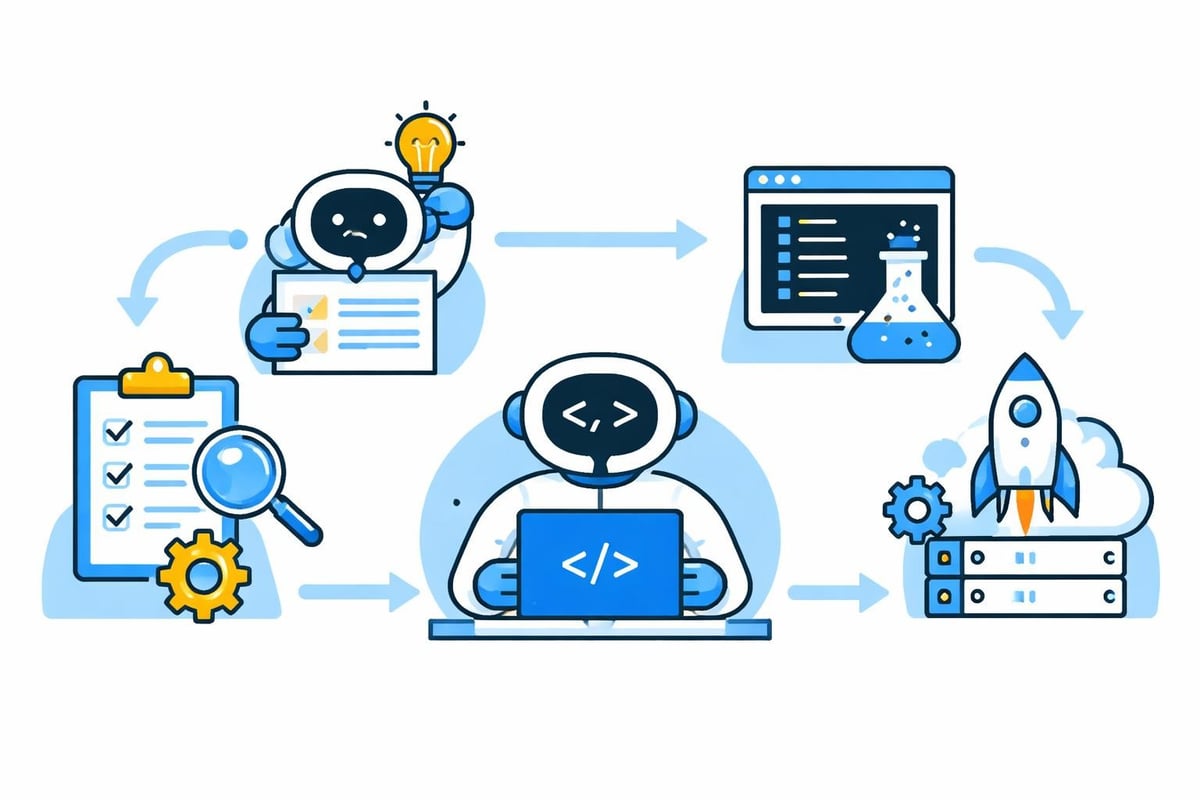
The tool operates as an autonomous coding agent, capable of executing multi-step tasks with minimal supervision. This capability proves particularly valuable for enterprise environments where development teams juggle multiple projects, tight deadlines, and complex technical requirements. By delegating routine coding tasks to an AI assistant, developers can focus their expertise on architectural decisions, business logic, and innovation.
Core Capabilities That Transform Development Workflows
Claude code offers a comprehensive suite of features designed for professional software development. The system can read and analyse existing codebases, understand project structure, and generate new code that maintains consistency with established patterns and conventions.
Key functionalities include:
- Automated code generation across multiple programming languages
- Intelligent debugging and error resolution
- Real-time code review and quality assessment
- Integration with existing development environments and toolchains
- Contextual understanding of project requirements and dependencies
The platform’s ability to work autonomously sets it apart from simpler code completion tools. When assigned a development task, claude code can break down requirements, research appropriate solutions, implement code across multiple files, and even execute tests to verify functionality.
Security Considerations and Enterprise Deployment
For organisations evaluating AI development tools, security remains paramount. Claude code operates with built-in security measures designed to protect intellectual property and maintain compliance with enterprise policies. The system processes code within secure environments and provides administrators with granular control over permissions and access levels.
Recent events have highlighted the importance of robust security practices in AI tool deployment. As reported in industry coverage of security incidents, even sophisticated platforms require careful implementation and monitoring. Enterprises must establish clear protocols for AI tool usage, including regular security audits and employee training programmes.
Implementation Best Practices
Successful deployment of claude code within enterprise environments requires thoughtful planning and structured rollout. Organisations should begin with pilot programmes in non-critical projects, allowing development teams to familiarise themselves with the tool’s capabilities whilst establishing usage guidelines.
| Deployment Phase | Key Activities | Success Metrics |
|---|---|---|
| Planning | Requirements gathering, security assessment, stakeholder alignment | Clear objectives, approved security framework |
| Pilot | Limited team deployment, workflow integration testing | Developer satisfaction, productivity indicators |
| Scaling | Organisation-wide rollout, training programmes, support systems | Adoption rates, code quality metrics, time savings |
| Optimisation | Process refinement, advanced feature adoption, continuous improvement | ROI measurement, efficiency gains, innovation metrics |
Understanding AI adoption best practices provides valuable context for organisations embarking on AI-powered development initiatives. The principles of measured deployment, comprehensive training, and continuous evaluation apply equally to coding assistants as they do to other enterprise AI solutions.
Practical Applications Across Development Scenarios
Claude code excels in various development contexts, from greenfield projects to legacy system maintenance. Its versatility makes it valuable across the entire software development lifecycle, adapting to different methodologies and technical stacks.
Accelerating Feature Development
Development teams frequently face pressure to deliver new features rapidly whilst maintaining quality standards. Claude code addresses this challenge by automating substantial portions of implementation work. When provided with feature specifications, the system can generate boilerplate code, implement standard patterns, and create comprehensive test suites.
For example, when building a customer data management module, developers can describe the required functionality in natural language. Claude code then generates the necessary database schemas, API endpoints, validation logic, and integration tests. This acceleration doesn’t compromise quality; the generated code adheres to best practices and can be reviewed and refined by human developers.
Modernising Legacy Systems
Many enterprises maintain substantial legacy codebases that require ongoing maintenance and gradual modernisation. Claude code proves invaluable in these scenarios by understanding older programming paradigms and helping translate them into modern equivalents.
Legacy modernisation tasks include:
- Analysing legacy code to understand functionality and dependencies
- Identifying refactoring opportunities and technical debt
- Generating modern equivalents whilst preserving business logic
- Creating comprehensive test coverage for previously untested code
- Documenting complex legacy systems for future maintenance
The tool’s ability to work with multiple programming languages simultaneously makes it particularly effective for projects involving language migrations or polyglot architectures.
Integration with Enterprise Development Ecosystems
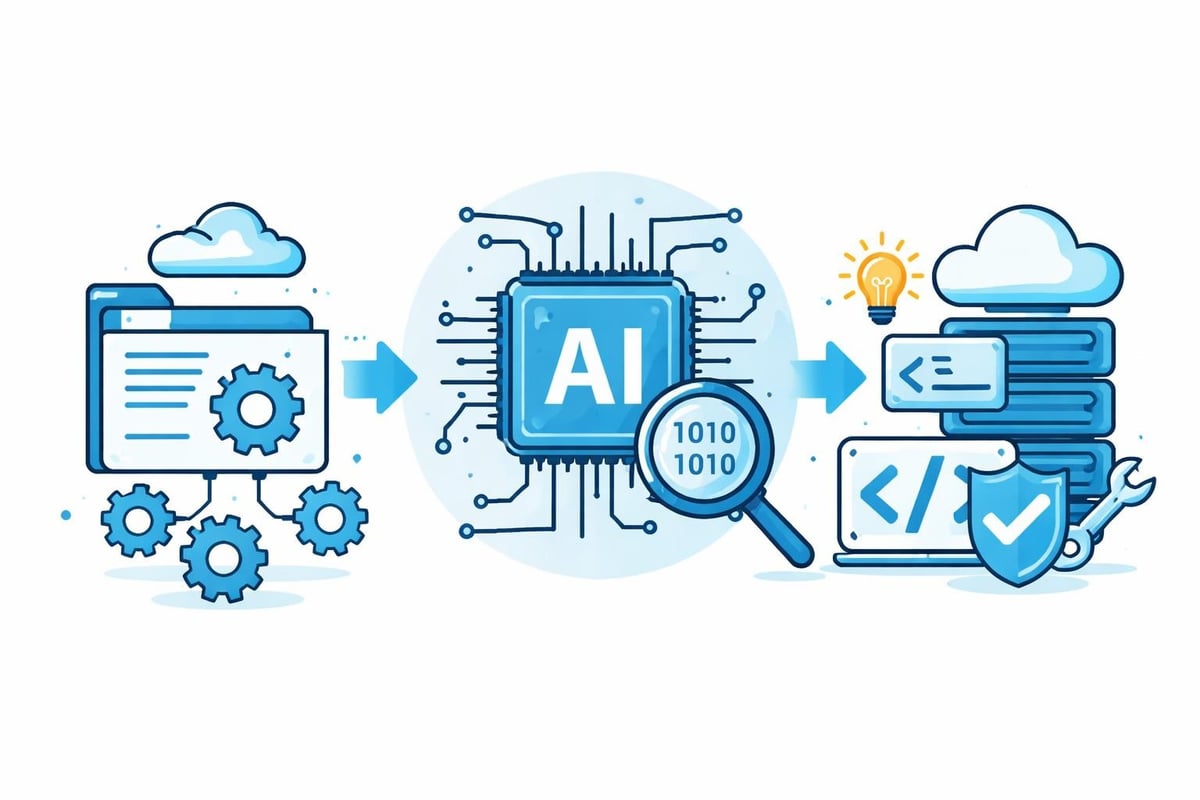
Modern software development relies on sophisticated toolchains encompassing version control, continuous integration, testing frameworks, and deployment automation. Claude code integrates seamlessly with these existing systems, enhancing rather than replacing established workflows.
The comprehensive documentation provides detailed guidance on integrating the tool with popular development environments, version control systems, and project management platforms. This flexibility ensures organisations can adopt claude code without disrupting productive workflows or requiring extensive infrastructure changes.
Enhancing Collaborative Development
Software development increasingly operates as a team sport, with multiple developers contributing to shared codebases. Claude code supports collaborative workflows through several mechanisms. The system maintains context awareness across development sessions, understanding how individual contributions fit within broader project objectives.
When team members work on related features, claude code can identify potential integration issues, suggest coordination opportunities, and maintain consistency across parallel development streams. This capability reduces merge conflicts and accelerates the integration of distributed work efforts.
Measuring Impact and Return on Investment
Organisations investing in AI development tools naturally expect measurable returns. Claude code delivers value through multiple dimensions, from direct productivity gains to qualitative improvements in developer experience and code quality.
| Metric Category | Specific Indicators | Typical Impact Range |
|---|---|---|
| Development Speed | Feature completion time, sprint velocity | 25-40% improvement |
| Code Quality | Bug density, code review cycles, technical debt reduction | 30-50% improvement |
| Developer Experience | Job satisfaction, cognitive load, learning curve for new technologies | Significant positive impact |
| Business Outcomes | Time-to-market, development costs, innovation capacity | 20-35% improvement |
These metrics vary based on project complexity, team experience, and implementation approach. Organisations should establish baseline measurements before deployment and track progress through multiple evaluation cycles.
Balancing Automation and Human Expertise
Whilst claude code automates substantial development work, successful implementation maintains the central role of human developers. The tool serves as an amplifier of developer capabilities rather than a replacement for technical expertise. Senior developers provide architectural guidance, make strategic technology decisions, and review AI-generated code to ensure alignment with business objectives.
This balanced approach maximises the benefits of AI assistance whilst preserving the critical thinking and creative problem-solving that characterise excellent software engineering. Development teams report that claude code handles routine implementation tasks, freeing them to focus on complex challenges that require human insight and experience.

Future Directions and Emerging Capabilities
The field of AI-assisted software development continues to evolve rapidly. Claude code represents the current state of the art, but ongoing research promises even more sophisticated capabilities. Future enhancements may include improved understanding of domain-specific requirements, enhanced collaboration features, and deeper integration with enterprise architecture frameworks.
Organisations adopting claude code today position themselves to benefit from these advancing capabilities. The platform’s architecture supports continuous improvement, with new features and enhanced models becoming available to existing users. This evolutionary approach ensures that investments in AI development tools remain valuable over extended periods.
Preparing Development Teams for AI-Augmented Workflows
Successful adoption of claude code requires more than technical implementation. Development teams need training, support, and time to adapt their working methods. Organisations should invest in comprehensive onboarding programmes that address both technical usage and workflow integration.
Essential training components include:
- Understanding AI capabilities and limitations
- Effective prompt engineering for code generation
- Code review practices for AI-generated content
- Security considerations and compliance requirements
- Productivity measurement and continuous improvement
These educational initiatives ensure development teams can maximise the value of AI assistance whilst maintaining professional standards and organisational governance requirements.
Strategic Considerations for Enterprise Adoption
Deploying claude code represents a strategic decision with implications beyond immediate productivity gains. Organisations must consider how AI-assisted development aligns with broader technology strategies, talent development initiatives, and competitive positioning.
The tool’s web-based accessibility, highlighted in recent announcements, removes traditional barriers to adoption. Development teams can begin using claude code without extensive infrastructure investment or complex procurement processes. This accessibility enables rapid experimentation and value demonstration.
However, moving from experimental usage to enterprise-wide deployment requires governance frameworks addressing data privacy, code ownership, quality assurance, and risk management. Successful organisations establish clear policies before scaling AI development tools across their engineering organisations.
Building Internal Expertise
Whilst claude code reduces the technical complexity of many development tasks, organisations still benefit from cultivating internal expertise in AI-assisted development. Designated champions within development teams can explore advanced features, share best practices, and mentor colleagues in effective tool usage.
This internal expertise proves particularly valuable when addressing unique organisational requirements or integrating claude code with proprietary systems and processes. Expert users can customise workflows, optimise prompts for specific use cases, and identify opportunities for expanding AI assistance into new development domains.
Claude code represents a transformative tool for enterprise software development, delivering measurable productivity improvements whilst enhancing code quality and developer satisfaction. As organisations navigate the complexities of AI adoption in development workflows, partnering with experienced AI solutions providers ensures successful implementation and maximum value realisation. Stellium Consulting helps enterprises design and deploy AI-powered development strategies that align with business objectives, maintain security standards, and position organisations for long-term competitive advantage in an increasingly AI-driven technology landscape.