
The integration of AI at workplace environments has evolved from a futuristic concept to a fundamental business necessity. Organisations across industries are discovering that AI-powered solutions don’t merely automate tasks-they fundamentally transform how employees work, make decisions, and create value. As enterprises navigate digital transformation in 2026, understanding the practical applications and strategic implications of workplace AI has become essential for maintaining competitive advantage and operational excellence.
The Current State of AI Integration in Enterprise Environments
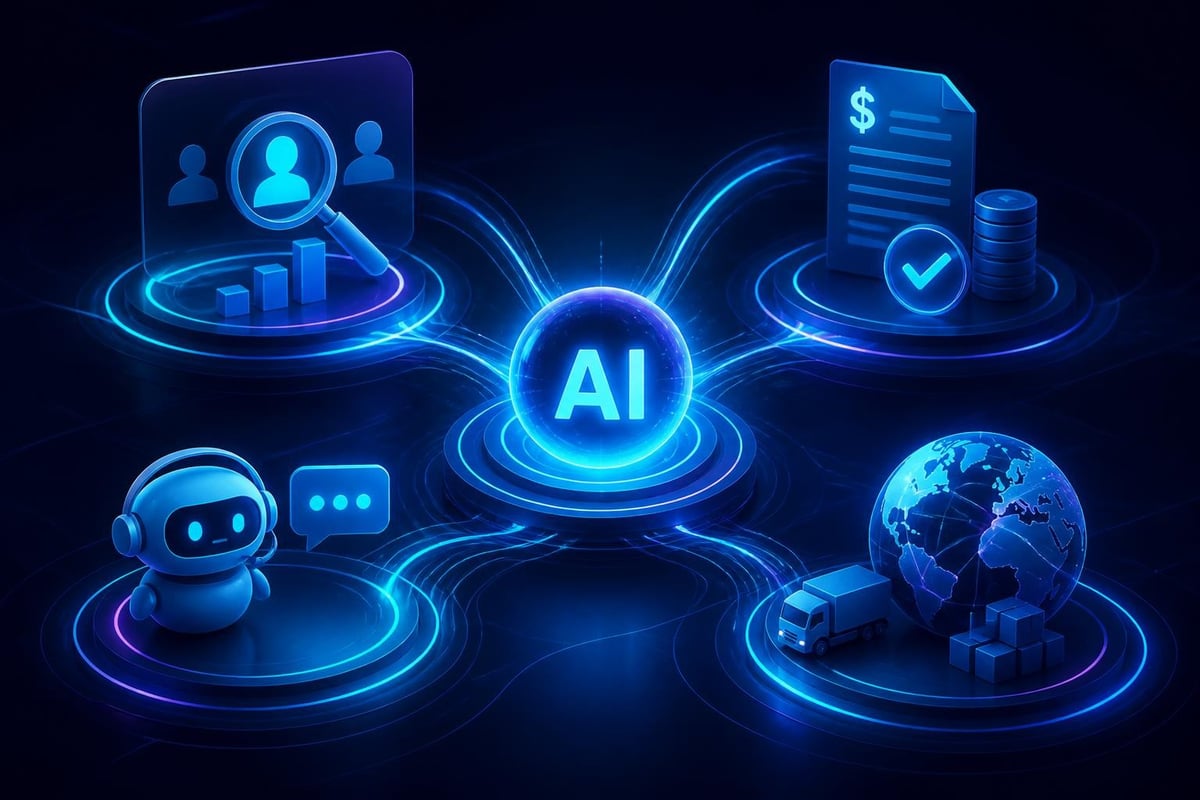
AI at workplace adoption has accelerated dramatically over the past two years, with enterprises implementing intelligent systems across every department. From finance to human resources, customer service to supply chain management, AI technologies are reshaping traditional workflows and enabling new capabilities that were previously impossible.
The landscape of AI in the workplace encompasses diverse technologies including machine learning models, natural language processing systems, predictive analytics platforms, and intelligent automation tools. These solutions work in concert to augment human capabilities rather than replace them entirely.
Key technologies driving workplace transformation include:
- Generative AI assistants for content creation and communication
- Predictive analytics for forecasting and planning
- Intelligent process automation for routine tasks
- Computer vision for quality control and safety monitoring
- Natural language processing for customer interactions
Research indicates that employee attitudes towards AI at workplace implementation are nuanced. According to Pew Research Center findings, workers express both optimism about productivity gains and concerns about job security and autonomy.
Employee Empowerment Through Intelligent Tools
The most successful AI implementations focus on empowering employees rather than monitoring or replacing them. When organisations position AI at workplace as a collaborative partner, adoption rates improve and business outcomes strengthen significantly.
Intelligent assistants now handle time-consuming administrative tasks, allowing knowledge workers to focus on strategic thinking and creative problem-solving. These systems draft emails, summarise lengthy documents, schedule meetings across time zones, and prepare preliminary data analyses-freeing employees to engage in higher-value activities.
Modern AI solutions also democratise expertise across organisations. Junior employees gain access to insights and recommendations that previously required years of experience, whilst senior professionals leverage AI to scale their decision-making capabilities across broader scopes of responsibility.
| Employee Level | AI Benefits | Productivity Impact |
|---|---|---|
| Entry-level | Accelerated learning, guided workflows | 25-30% time savings |
| Mid-level | Enhanced analysis, pattern recognition | 35-40% efficiency gain |
| Senior | Strategic insights, scaled decision-making | 30-35% capacity increase |
Transforming Business Processes With Machine Intelligence
AI at workplace environments fundamentally restructures core business processes rather than simply accelerating existing workflows. This transformation requires organisations to rethink how work gets done and how value flows through their operations.
Intelligent Automation and Process Optimisation
Process automation powered by AI extends far beyond simple rule-based systems. Modern solutions understand context, handle exceptions, learn from patterns, and adapt to changing conditions without constant human intervention.
Manufacturing operations deploy computer vision systems that detect quality issues with precision surpassing human inspection capabilities. Financial departments implement intelligent document processing that extracts data from invoices, contracts, and reports whilst identifying anomalies and compliance risks.
Supply chain teams leverage predictive analytics to anticipate disruptions, optimise inventory levels, and coordinate complex logistics networks. These systems process vast datasets from suppliers, shipping partners, weather services, and market indicators to make real-time adjustments that minimise costs and maximise reliability.
Common process automation applications include:
- Invoice processing and accounts payable workflows
- Customer onboarding and verification procedures
- Inventory management and demand forecasting
- Quality control and compliance monitoring
- Report generation and data analysis tasks
The practical applications of AI in the workplace demonstrate how organisations across sectors are reimagining fundamental operations. However, successful implementation requires careful planning, change management, and ongoing refinement.
Data-Driven Decision Making at Scale
AI at workplace systems excel at transforming raw data into actionable intelligence. Executives and managers now access real-time insights that inform strategic decisions with unprecedented speed and accuracy.
Predictive models identify market trends before they become obvious, risk assessment algorithms flag potential problems whilst prevention remains possible, and recommendation engines suggest optimal courses of action based on historical patterns and current conditions.
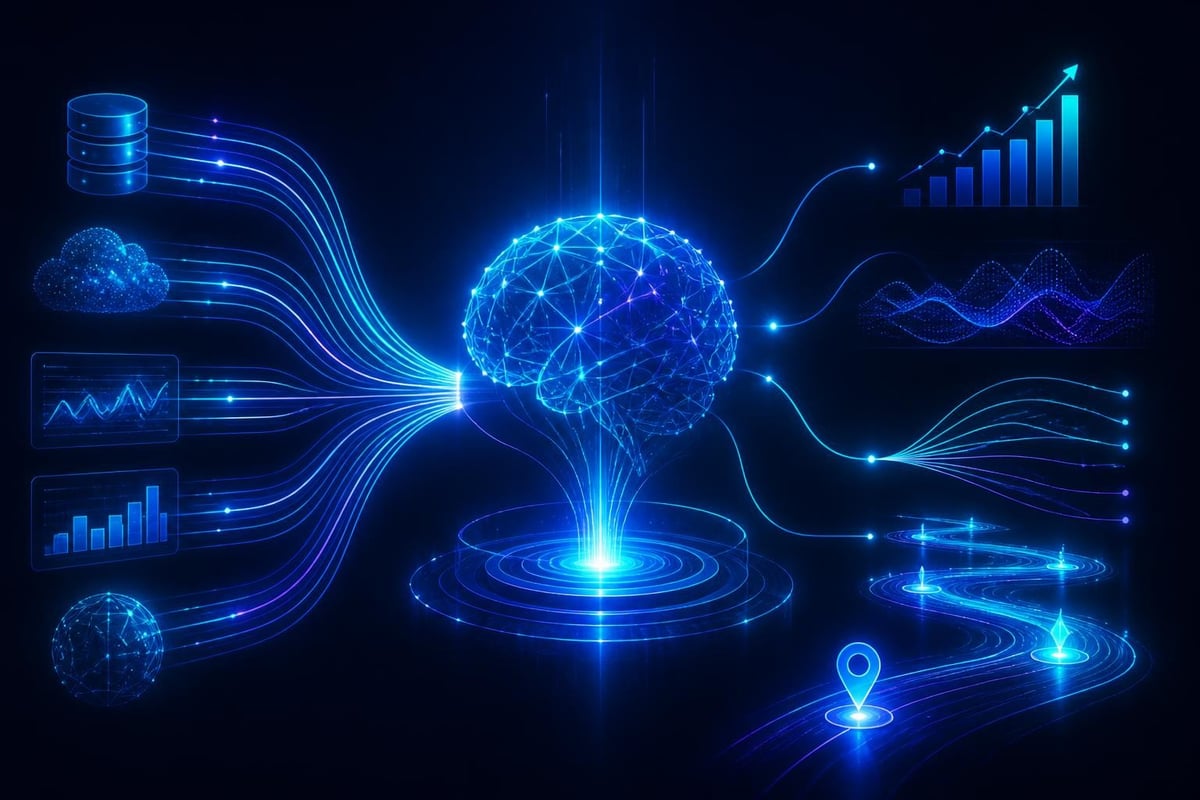
This capability proves particularly valuable in complex environments where human cognition struggles to process the sheer volume of relevant variables. Marketing teams optimise campaign performance across dozens of channels simultaneously, whilst HR departments identify retention risks and talent development opportunities hidden within workforce data.
Human Resources Revolution Through AI Technologies
The transformation of HR software through AI represents one of the most profound shifts in workplace technology. Human resources departments leverage intelligent systems throughout the entire employee lifecycle, from recruitment through retirement.
Talent Acquisition and Recruitment Excellence
AI-powered recruitment platforms screen thousands of candidates in minutes, identifying qualified prospects that match role requirements whilst reducing unconscious bias in initial screening stages. Natural language processing analyses CVs and application materials, extracting relevant experience and skills more accurately than keyword matching alone.
Interview scheduling systems coordinate availability across multiple stakeholders automatically, whilst assessment platforms evaluate candidate responses and work samples against success profiles derived from top performers. These tools don’t make final hiring decisions, but they ensure human recruiters focus their time on the most promising candidates.
Chatbots handle initial candidate enquiries, providing immediate responses about roles, company culture, and application status. This responsiveness improves candidate experience whilst freeing recruitment teams from repetitive administrative tasks.
Employee Development and Performance Management
AI at workplace learning systems personalise development paths for each employee based on their role, skills, career aspirations, and learning style. These platforms recommend relevant courses, identify skill gaps, and adapt content difficulty based on demonstrated mastery.
Performance management gains new dimensions through continuous feedback analysis and sentiment monitoring. Systems track project contributions, collaboration patterns, and achievement metrics to provide managers with comprehensive performance insights beyond annual reviews.
Predictive analytics identify flight risks-employees likely to leave the organisation-allowing HR teams to intervene proactively with retention strategies. These models consider factors including tenure, promotion history, compensation benchmarks, and engagement survey responses.
| HR Function | AI Application | Business Impact |
|---|---|---|
| Recruitment | Automated screening, bias reduction | 50% faster hiring, improved diversity |
| Onboarding | Personalised learning paths | 40% better retention |
| Development | Skill gap analysis, course recommendations | 60% higher engagement |
| Retention | Predictive analytics, intervention triggers | 30% reduced turnover |
Navigating Trust and Quality Challenges
Despite compelling benefits, AI at workplace adoption faces significant obstacles related to trust, quality, and employee acceptance. Addressing these challenges requires transparent communication, robust governance, and genuine commitment to ethical AI deployment.
Building Employee Confidence in AI Systems
Trust remains a critical barrier to successful AI implementation. According to analysis of trust challenges in workplace AI, employees express concerns about autonomy, job security, and the reliability of AI-generated recommendations.
Organisations must demonstrate that AI systems enhance rather than undermine employee agency. This means providing clear explanations of how AI reaches conclusions, allowing employees to override AI recommendations when appropriate, and maintaining human accountability for final decisions.
Transparency about AI capabilities and limitations builds realistic expectations. When employees understand what AI can and cannot do reliably, they use these tools more effectively and report higher satisfaction with workplace technology.
Strategies for building AI trust include:
- Comprehensive training on AI tool capabilities and appropriate use cases
- Clear governance frameworks defining AI decision boundaries
- Regular audits of AI system performance and bias
- Open channels for reporting AI-related concerns
- Visible leadership commitment to ethical AI principles
Addressing Content Quality and “AI Slop” Concerns
The proliferation of low-quality AI-generated content has created backlash amongst employees. Recent surveys revealing that workers feel nostalgic for pre-AI work environments underscore the importance of quality control in AI at workplace deployments.
Generic, formulaic AI outputs that lack nuance or contextual understanding damage credibility and waste employee time. Organisations must establish clear standards for AI-generated content and implement review processes that ensure quality before distribution.
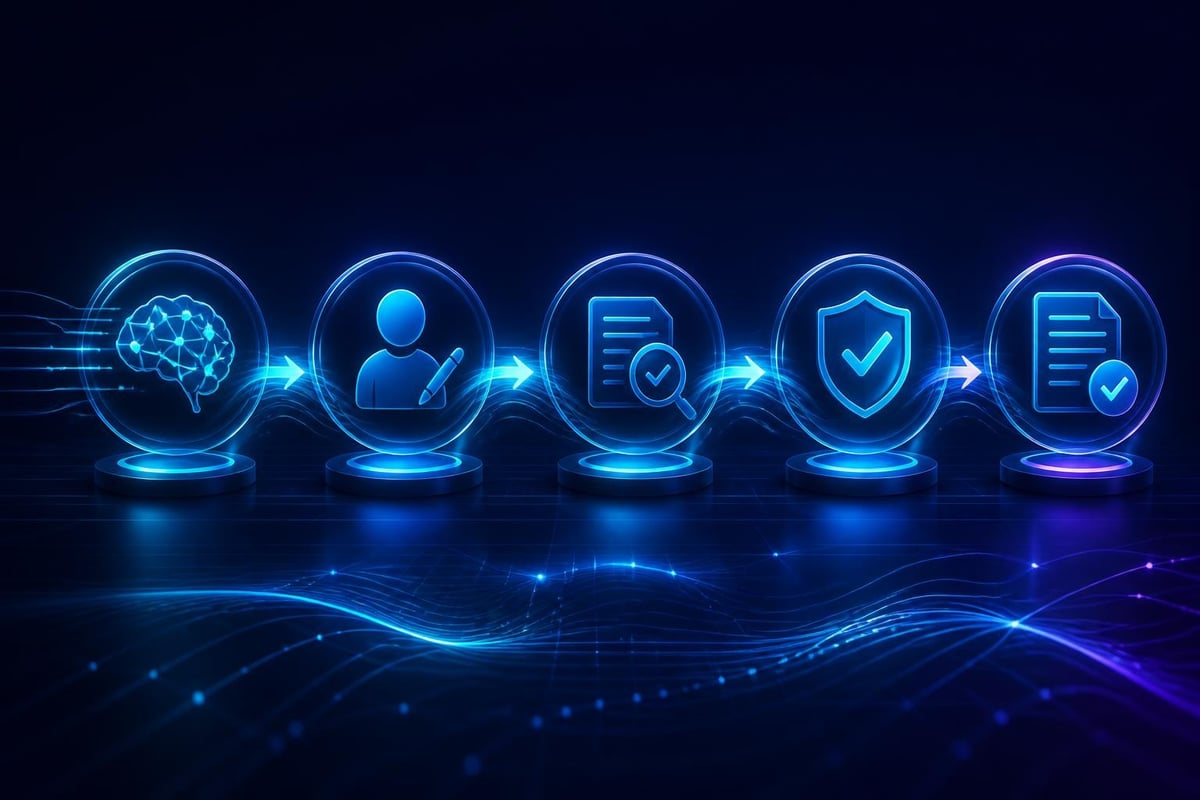
This challenge highlights a fundamental principle: AI at workplace should augment human judgement, not bypass it entirely. The most effective implementations use AI for initial drafts, research, and analysis whilst reserving final review and approval for skilled human professionals.
Training employees to prompt AI systems effectively and evaluate outputs critically becomes essential. These skills ensure that AI serves as a valuable collaborator rather than a source of mediocre content that requires extensive correction.
The Impact on Job Satisfaction and Workplace Culture
Beyond productivity metrics, AI at workplace integration profoundly affects employee experience, job satisfaction, and organisational culture. Understanding these human dimensions proves crucial for sustainable AI adoption.
Redefining Job Roles and Skills Requirements
AI automation inevitably shifts role requirements across organisations. Routine, repetitive tasks diminish whilst demand for critical thinking, creative problem-solving, and interpersonal skills increases dramatically.
This transition creates opportunities for employees to engage in more meaningful work. Research examining AI’s impact on job decency and meaningfulness suggests that when AI eliminates tedious tasks, employees often report greater job satisfaction and sense of purpose.
However, this shift also demands significant reskilling efforts. Organisations must invest in comprehensive training programmes that prepare employees for evolved responsibilities. Workers need both technical skills to collaborate effectively with AI systems and enhanced soft skills that machines cannot replicate.
Essential skills in AI-augmented workplaces include:
- AI literacy and effective prompt engineering
- Critical evaluation of AI-generated insights
- Complex problem-solving beyond algorithmic capabilities
- Emotional intelligence and relationship building
- Strategic thinking and creative innovation
Fostering Collaborative Human-AI Partnerships
The most successful AI at workplace implementations cultivate genuine collaboration between human intelligence and machine capabilities. This partnership model acknowledges the complementary strengths each brings to complex challenges.
Humans excel at understanding context, navigating ambiguity, exercising ethical judgement, and thinking creatively about unprecedented situations. AI systems process vast information rapidly, identify subtle patterns, maintain consistency, and scale analysis beyond human capacity.
When organisations design workflows that leverage these complementary capabilities, both productivity and employee satisfaction improve. Workers feel empowered rather than threatened, whilst AI systems operate within appropriate boundaries that match their reliable capabilities.
Strategic Implementation Frameworks for Enterprise AI
Deploying AI at workplace environments requires structured approaches that balance innovation with governance, speed with quality, and automation with human oversight.
Assessment and Planning Phases
Successful implementations begin with thorough assessment of current processes, pain points, and opportunities. Organisations must identify specific use cases where AI delivers measurable value rather than implementing technology for its own sake.
This assessment considers technical requirements including data availability, system integration needs, and infrastructure capacity. Equally important are organisational factors such as change management readiness, skill levels, and cultural attitudes towards automation.
Pilot programmes allow organisations to test AI solutions in controlled environments before broader deployment. These pilots generate valuable insights about real-world performance, user acceptance, and integration challenges whilst limiting risk exposure.
Governance and Ethical Frameworks
Robust governance ensures AI at workplace systems operate within appropriate ethical and legal boundaries. Organisations must establish clear policies regarding data privacy, algorithmic transparency, bias mitigation, and human oversight requirements.
These frameworks define who can deploy AI systems, what approval processes apply, how performance gets monitored, and what accountability mechanisms ensure responsible use. Without strong governance, AI implementations risk creating compliance problems, reputational damage, or employee distrust.
| Governance Element | Key Considerations | Implementation Approach |
|---|---|---|
| Data Privacy | Consent, minimisation, security | Privacy impact assessments, encryption |
| Transparency | Explainability, documentation | Model cards, decision logging |
| Bias Mitigation | Fairness metrics, diverse training data | Regular audits, balanced datasets |
| Human Oversight | Decision boundaries, override capabilities | Approval workflows, escalation paths |
Regular audits verify that AI systems perform as intended and identify emerging issues before they become serious problems. These reviews examine both technical performance metrics and broader impacts on employees, customers, and business operations.
Change Management and Training Initiatives
Technology alone never guarantees successful transformation. Organisations must invest equally in change management that prepares employees for new ways of working and builds genuine buy-in for AI initiatives.
Communication strategies should articulate clear visions of how AI at workplace will improve both business outcomes and employee experience. Leaders must address concerns honestly whilst demonstrating commitment to supporting workers through transitions.
Comprehensive training programmes ensure employees develop skills needed to work effectively alongside AI systems. These initiatives range from basic AI literacy for all staff to advanced technical training for specialists who configure and maintain AI platforms.
Measuring Return on Investment and Business Outcomes
Quantifying the value of AI at workplace implementations requires sophisticated measurement frameworks that capture both direct financial returns and broader organisational benefits.
Productivity and Efficiency Metrics
Direct productivity improvements represent the most straightforward AI value proposition. Organisations track time savings from automated tasks, throughput increases from optimised processes, and error reductions from enhanced quality control.
These metrics must account for implementation costs, ongoing maintenance requirements, and employee time invested in learning new systems. True ROI calculations extend beyond initial deployment to capture sustained value over multi-year periods.
Efficiency gains often manifest as capacity creation rather than headcount reduction. Employees accomplish more work within existing hours, take on additional responsibilities, or redirect time towards strategic initiatives that drive revenue growth.
Quality and Customer Experience Improvements
AI at workplace systems frequently deliver value through enhanced quality rather than pure speed increases. Fewer errors, more consistent outputs, and improved decision accuracy create customer satisfaction gains that translate to retention and revenue.
Measuring these improvements requires tracking relevant quality indicators such as defect rates, customer satisfaction scores, service level achievements, and compliance metrics. Longitudinal analysis reveals whether quality gains sustain over time or require ongoing adjustment.
Customer experience metrics increasingly reflect AI contributions. Response times, personalisation quality, problem resolution rates, and satisfaction scores often improve when AI augments customer-facing processes whilst maintaining appropriate human involvement.
Employee Satisfaction and Retention Indicators
The human dimension of AI at workplace success appears in employee engagement scores, retention rates, and satisfaction surveys. Positive trends suggest AI implementation enhances work experience, whilst negative shifts signal problems requiring attention.
Exit interviews and employee feedback sessions provide qualitative insights that quantitative metrics miss. Understanding how employees perceive AI tools, what frustrations they experience, and what additional support they need informs continuous improvement efforts.
Organisations that successfully deploy AI whilst maintaining strong employee satisfaction demonstrate that technology and human wellbeing need not conflict. These success stories provide models for others navigating similar transformations.
Future Trajectories for Workplace AI Evolution
AI at workplace capabilities continue evolving rapidly, with emerging technologies promising even more profound transformations in coming years. Forward-thinking organisations prepare for these developments whilst managing current implementations effectively.
Advancing AI Capabilities and Integration
Next-generation AI systems will understand context more deeply, handle increasingly complex tasks autonomously, and integrate seamlessly across enterprise technology ecosystems. Multimodal models processing text, images, audio, and video simultaneously enable richer interactions and broader application scope.
Personalisation will intensify as AI systems learn individual employee preferences, working styles, and skill levels. These adaptive interfaces adjust complexity, communication style, and recommendation specificity to match each user’s needs and capabilities.
Integration between AI platforms and existing enterprise systems will improve, reducing implementation friction and expanding AI’s reach across organisational processes. APIs and middleware solutions will allow AI capabilities to enhance legacy systems without requiring complete replacement.
Preparing Organisations for Continuous Evolution
The pace of AI innovation demands that organisations build continuous learning and adaptation into their operational models. Static implementations quickly become outdated as new capabilities emerge and competitive standards rise.
Investment in employee development must continue long after initial AI deployment. Ongoing training ensures workforces maintain relevant skills as AI systems evolve and role requirements shift accordingly.
Governance frameworks require regular updates to address new AI capabilities, emerging ethical considerations, and evolving regulatory requirements. Organisations that treat governance as dynamic rather than fixed position themselves to adopt innovations responsibly.
The integration of AI at workplace environments represents a transformative opportunity for enterprises willing to invest thoughtfully in both technology and people. Organisations that balance innovation with governance, automation with human judgement, and efficiency with employee wellbeing position themselves for sustained competitive advantage.
If you’re ready to explore how AI can transform your organisation whilst empowering your workforce, Stellium Consulting brings deep expertise in delivering enterprise AI solutions that drive measurable business outcomes. As a Microsoft Solutions Partner, we help organisations implement AI technologies that enhance productivity, streamline processes, and create genuine value for both businesses and their employees.