
Artificial Intelligence has evolved from a futuristic concept into a fundamental business asset that enterprises across all sectors now leverage for competitive advantage. As organisations navigate increasingly complex market dynamics in 2026, understanding the tangible AI advantages becomes essential for strategic planning and digital transformation. Modern AI solutions deliver measurable improvements across operational efficiency, decision-making accuracy, customer engagement, and innovation capacity, fundamentally reshaping how businesses operate and compete.
Enhanced Decision-Making Through Data Intelligence
AI advantages manifest most prominently in the realm of strategic decision-making, where machine learning algorithms process vast quantities of data far beyond human cognitive capacity. Enterprises now leverage predictive analytics to identify market trends, customer behaviours, and operational inefficiencies with unprecedented precision.
Real-Time Analytics and Insights
Traditional business intelligence required days or weeks to compile comprehensive reports. AI-powered systems deliver actionable insights in real-time, enabling executives to respond to market shifts immediately. These systems continuously analyse structured and unstructured data from multiple sources, identifying patterns that would remain invisible through conventional analysis methods.
The benefits of artificial intelligence extend to risk assessment, where machine learning models evaluate countless variables simultaneously to forecast potential challenges before they materialise. Financial institutions use these capabilities to detect fraudulent transactions, whilst manufacturing enterprises predict equipment failures before they cause production delays.
Key decision-making advantages include:
- Pattern recognition across complex data sets
- Predictive modelling for future scenarios
- Risk quantification and mitigation strategies
- Market trend identification and analysis
- Customer behaviour forecasting
Operational Efficiency and Cost Reduction
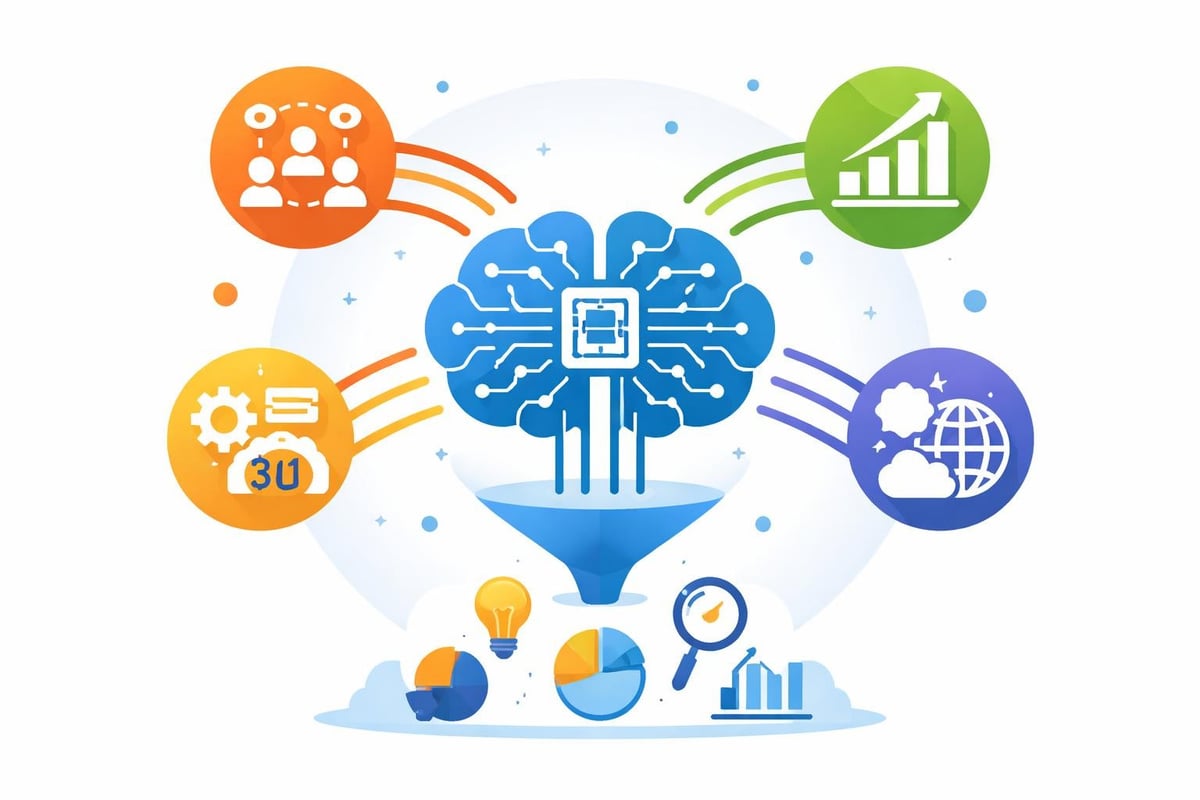
One of the most compelling AI advantages lies in its ability to transform operational efficiency whilst simultaneously reducing costs. Automation of routine tasks frees human workers to focus on strategic initiatives that require creativity, emotional intelligence, and complex problem-solving skills.
Modern AI systems handle repetitive processes with perfect consistency, eliminating the variability inherent in manual operations. Document processing, data entry, customer inquiry routing, and quality control inspections now occur autonomously, dramatically accelerating workflows whilst reducing error rates to near-zero levels.
Process Automation at Scale
Enterprises implementing AI processes report significant productivity gains across departments. Robotic Process Automation (RPA) combined with intelligent decision-making capabilities creates systems that adapt to exceptions and edge cases without human intervention.
| Operational Area | Traditional Approach | AI-Enhanced Approach | Efficiency Gain |
|---|---|---|---|
| Customer Support | Manual ticket routing | Intelligent classification | 60-75% faster response |
| Data Processing | Human verification | Automated validation | 80-90% time reduction |
| Inventory Management | Periodic review | Continuous optimization | 30-40% cost savings |
| Quality Assurance | Sample testing | 100% inspection | 95%+ defect detection |
The advantages of artificial intelligence include continuous operation capabilities that transform service delivery. Unlike human workers requiring rest periods, AI systems operate around the clock without performance degradation, ensuring consistent service levels regardless of time zones or demand fluctuations.
Enhanced Customer Experience and Personalisation
AI advantages extend significantly into customer relationship management, where personalisation at scale creates unprecedented engagement opportunities. Modern consumers expect tailored experiences that reflect their preferences, purchase history, and behavioural patterns. AI delivers this personalisation automatically across thousands or millions of customer interactions simultaneously.
Natural language processing enables conversational AI interfaces that understand context, sentiment, and intent with increasing sophistication. Customers receive immediate, accurate responses to inquiries whilst AI systems learn from each interaction to improve future performance.
Predictive Customer Engagement
Recommendation engines analyse customer behaviour to suggest products, services, or content with remarkable accuracy. Business intelligence using AI transforms how organisations understand and anticipate customer needs, creating proactive engagement strategies rather than reactive support models.
Customer experience improvements include:
- Personalised product recommendations based on browsing and purchase history
- Dynamic pricing strategies that optimise revenue whilst maintaining customer satisfaction
- Sentiment analysis across social media and support channels
- Predictive service delivery that anticipates customer needs
- Multi-channel consistency through centralised AI coordination
The ability to deliver consistent, personalised experiences across digital touchpoints represents one of the most valuable AI advantages for customer-facing organisations. Retail, hospitality, financial services, and healthcare sectors particularly benefit from these capabilities.
Innovation Acceleration and Competitive Differentiation
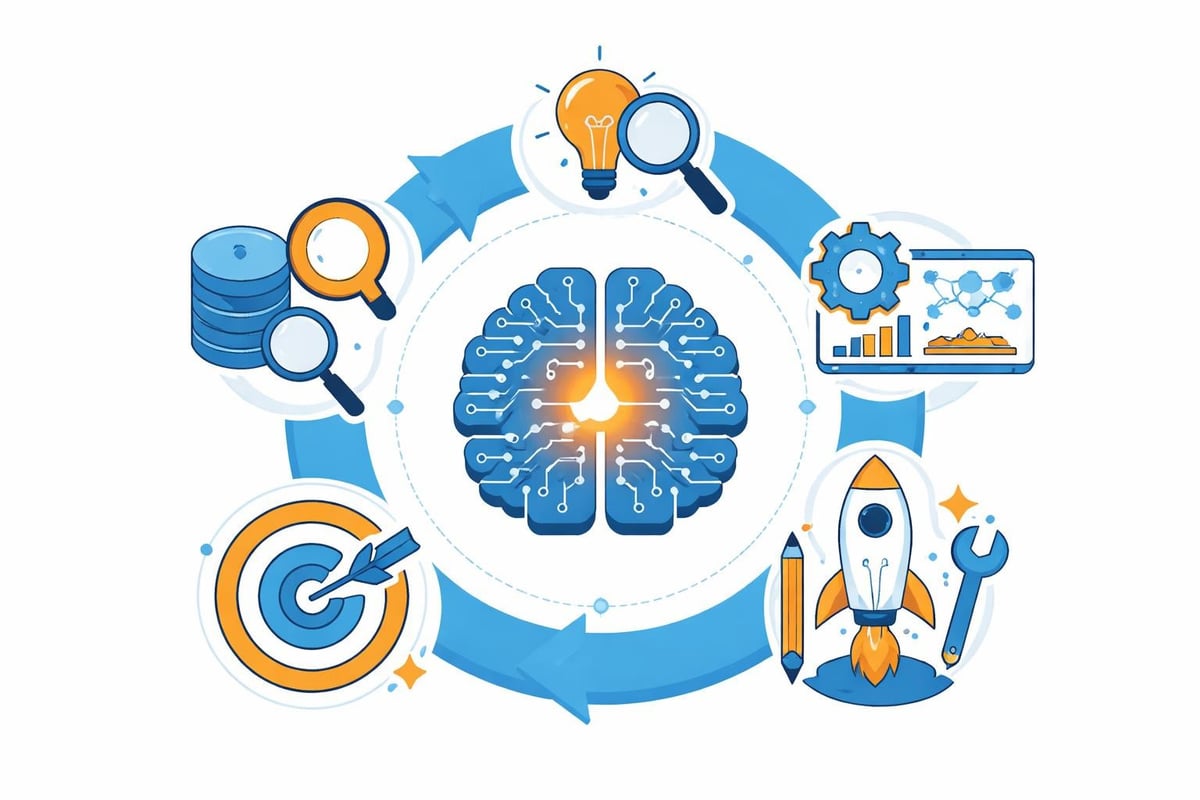
AI advantages fuel innovation by augmenting human creativity with computational power and data-driven insights. Research and development cycles accelerate dramatically when AI assists with hypothesis generation, simulation, and testing protocols.
Pharmaceutical companies use AI to identify promising drug candidates from millions of molecular combinations, reducing development timelines from decades to years. Engineering firms simulate countless design variations to optimise performance characteristics before creating physical prototypes. Generative AI creates entirely new content types, from marketing materials to software code, expanding what organisations can produce.
Market Responsiveness
The AI advantages and disadvantages must be carefully evaluated, but speed-to-market improvements clearly favour AI adoption. Organisations detect emerging trends through social listening and market analysis, then rapidly prototype solutions to address identified opportunities.
Competitive intelligence systems monitor competitor activities, pricing strategies, and market positioning continuously, alerting decision-makers to strategic shifts requiring response. This real-time awareness creates opportunities for first-mover advantages in dynamic markets.
Employee Empowerment and Productivity Enhancement
Rather than replacing human workers, the most significant AI advantages emerge when technology augments employee capabilities. Intelligent assistants handle information retrieval, schedule coordination, and routine communications, enabling knowledge workers to focus on high-value activities requiring human judgement.
Microsoft Copilot and similar AI-powered productivity tools transform how employees interact with enterprise software. Optimising the efficiency of your Copilot delivers measurable productivity gains across document creation, data analysis, and collaboration workflows.
Skills Development and Training
AI-powered learning platforms personalise employee development programmes based on individual learning styles, knowledge gaps, and career trajectories. Adaptive assessments identify areas requiring additional training whilst recommending resources tailored to each employee’s needs.
Employee productivity benefits:
- Automated information synthesis from multiple sources
- Intelligent scheduling that optimises time allocation
- Real-time language translation for global collaboration
- Context-aware suggestions during content creation
- Automated meeting summaries and action item tracking
The advantages and disadvantages of artificial intelligence in workplace settings require thoughtful implementation strategies. Successful organisations focus on change management, ensuring employees understand how AI tools complement rather than threaten their roles.
Risk Mitigation and Compliance Management
AI advantages prove particularly valuable in risk-intensive environments where human oversight alone cannot ensure comprehensive monitoring. Financial services, healthcare, and regulated industries leverage AI to maintain compliance whilst identifying potential violations before they escalate.
Anomaly detection systems flag unusual patterns that might indicate fraud, security breaches, or operational failures. These systems learn normal behaviour patterns across complex systems, then alert appropriate personnel when deviations occur.
Regulatory Compliance Automation
Keeping pace with evolving regulatory requirements challenges organisations across sectors. AI systems monitor regulatory changes, assess their impact on existing processes, and recommend necessary adjustments to maintain compliance. AI governance platforms provide frameworks for responsible AI deployment whilst ensuring regulatory adherence.
| Risk Category | AI Application | Business Impact |
|---|---|---|
| Cybersecurity | Threat detection and response | 90% faster incident response |
| Financial Fraud | Transaction monitoring | 75% reduction in false positives |
| Regulatory Compliance | Automated policy enforcement | 60% reduction in violations |
| Operational Safety | Predictive maintenance | 50% decrease in unplanned downtime |
Understanding the advantages of artificial intelligence in risk contexts requires recognising both capabilities and limitations. AI excels at pattern recognition and continuous monitoring but requires human oversight for context-dependent decisions.
Infrastructure Optimisation and Resource Management
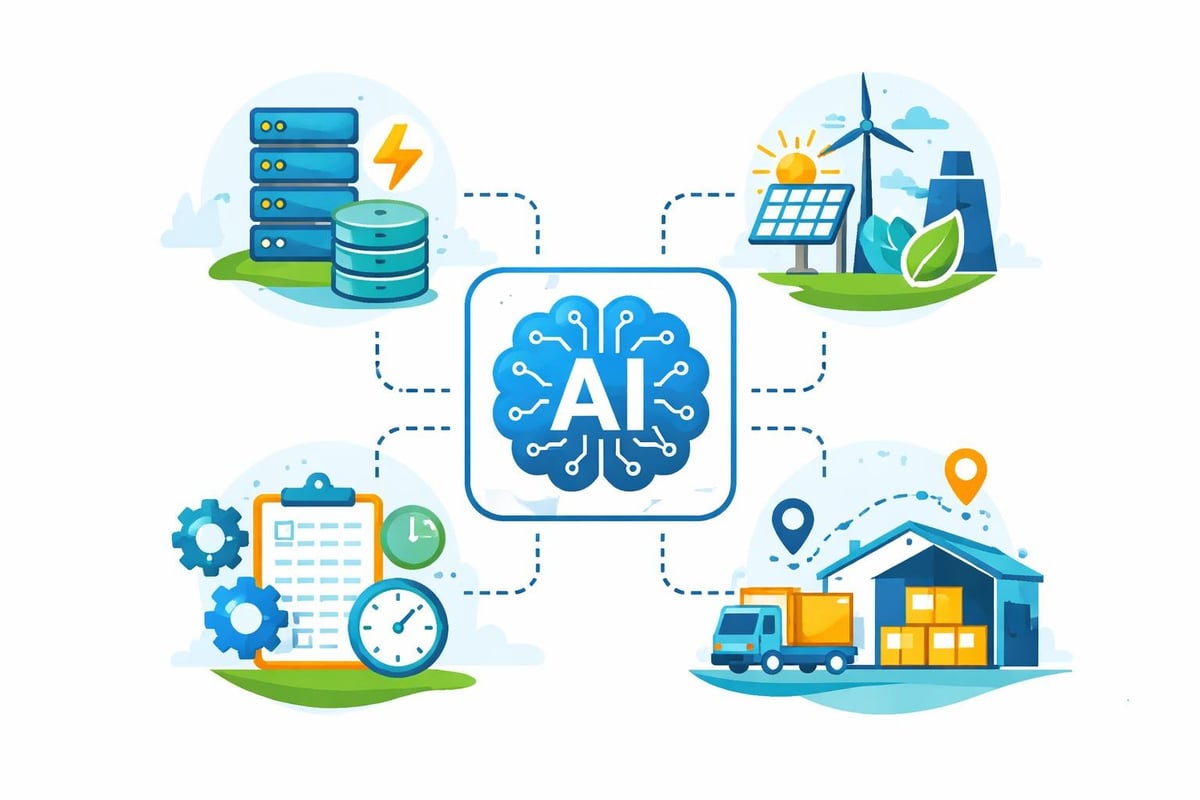
The AI advantages extend deeply into technical infrastructure management, where intelligent systems optimise resource allocation across cloud platforms, data centres, and network architectures. Energy consumption, computational efficiency, and storage optimisation occur automatically based on usage patterns and demand forecasting.
Cloud cost management represents a significant challenge for enterprises leveraging distributed computing resources. AI analyses usage patterns to right-size resources, identifying opportunities to reduce expenses without compromising performance. AI infrastructure solutions deliver substantial cost savings whilst improving system reliability.
Environmental Sustainability
Energy efficiency improvements through AI-driven optimisation contribute to sustainability goals whilst reducing operational costs. Smart building management systems adjust heating, cooling, and lighting based on occupancy patterns and weather forecasts. Supply chain optimisation reduces transportation costs and carbon emissions through intelligent routing and inventory management.
Scalability and Growth Enablement
Perhaps the most transformative AI advantages relate to scalability. Traditional business growth required proportional increases in headcount and infrastructure. AI-powered systems scale to handle increased volume without corresponding cost escalation, fundamentally changing growth economics.
Customer support operations serve thousands of additional customers without hiring proportional support staff. Data processing systems handle exponentially larger datasets without performance degradation. Artificial intelligence automation solutions enable small teams to manage enterprise-scale operations.
Market Expansion Capabilities
Language translation services powered by AI remove geographical barriers to market entry. Product recommendations adapt to cultural preferences across markets. Compliance systems understand regional regulatory requirements, enabling rapid expansion into new territories.
Scalability benefits include:
- Linear cost growth despite exponential volume increases
- Consistent service quality across market segments
- Rapid deployment of proven solutions to new regions
- Automated localisation of products and services
- Efficient management of complexity inherent in growth
Organisations implementing AI adoption strategies position themselves for sustainable growth that traditional business models cannot match. The ability to scale efficiently represents a fundamental competitive advantage in markets characterised by rapid change.
Integration Capabilities and Ecosystem Connectivity
Modern AI advantages include sophisticated integration capabilities that connect disparate systems and data sources. API-driven architectures enable AI services to enhance existing technology investments rather than requiring complete replacement of legacy systems.
Organisations leveraging AI and Microsoft platforms benefit from pre-built integrations across productivity tools, customer relationship management systems, and enterprise resource planning solutions. This connectivity ensures AI insights flow throughout the organisation, informing decisions across departments.
The advantages of artificial intelligence multiply when systems communicate effectively. Marketing automation platforms inform sales systems about lead quality. Supply chain predictions adjust financial forecasts. Customer service insights influence product development priorities.
Data Unification Benefits
Siloed data represents one of the primary obstacles to business intelligence. AI-powered data integration platforms break down these barriers, creating unified views across previously disconnected sources. Master data management becomes achievable at scale, ensuring consistency and accuracy across the enterprise.
This unification enables comprehensive analytics that reveal insights invisible when data remains fragmented. Customer lifetime value calculations incorporate support interactions, purchase history, and engagement metrics. Operational efficiency analyses span supply chain, production, and distribution systems.
The AI advantages outlined throughout this analysis demonstrate how artificial intelligence fundamentally transforms enterprise capabilities across operations, strategy, and customer engagement. From enhanced decision-making and operational efficiency to innovation acceleration and scalable growth, AI delivers measurable value that increasingly separates market leaders from competitors. As organisations navigate digital transformation in 2026, implementing AI thoughtfully and strategically becomes essential for long-term success. Stellium Consulting partners with enterprises to design and deploy AI-powered solutions that empower employees, enhance business processes, and drive sustainable transformation through Microsoft’s modern technology ecosystem.